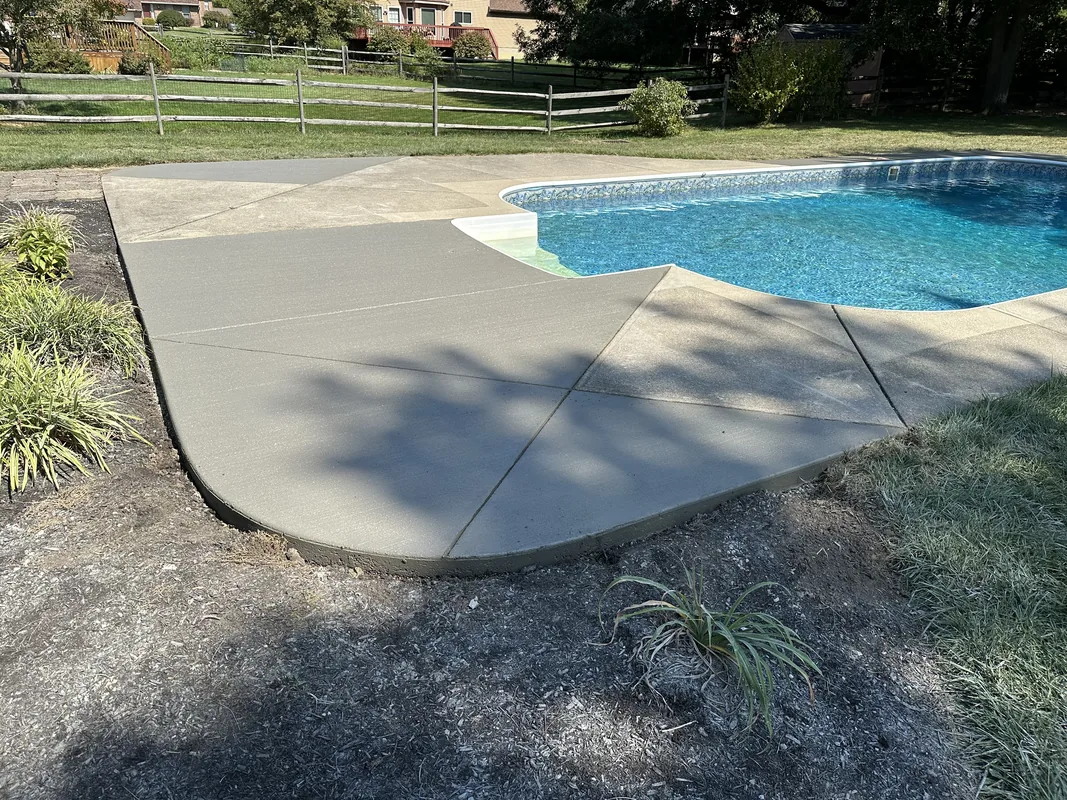
Concrete is porous. Even a well-finished slab has tiny pores that allow water to move in, and in a climate with freeze-thaw cycles, that moisture can do real damage over a season.
Washing and sealing are the two maintenance steps MRC Concrete, LLC lists for protecting existing concrete. Here is why they matter and where they fit.
How water gets into concrete
Rain, melting snow and runoff all find their way into concrete surfaces. When water inside the pores freezes, it expands. Repeated freeze-thaw cycles stress the surface and can lead to chipping and spalling.
De-icing chemicals and salt add another problem. They can draw more moisture into the concrete and contribute to surface deterioration, especially where the sealer has worn away.
What sealing helps prevent
A quality sealer does more than add a sheen. According to the services published by MRC Concrete, LLC, sealing helps:
- Keep treated surfaces cleaner
- Minimize penetration from de-icing chemicals, salt and water
- Reduce spalling on new concrete surfaces
- Extend the life of concrete and masonry structures
- Penetrate deeply while allowing vapor transmission
Some sealants chemically bond to the concrete surface and leave no residue that needs cleaning after application. That makes them a practical part of a routine maintenance plan.
Wash first, then seal
A sealer performs best on concrete that is clean and in sound condition. Power washing removes dirt, stains and discoloration that would otherwise be trapped beneath the coating.
Any cracks, chipped edges or settled areas should be dealt with before sealing. Sealing over an existing problem can make it harder to address later, because the coating has to be removed first.
MRC Concrete, LLC lists professional grade sealants and can repair existing concrete issues before sealing. That sequence (clean, repair, then seal) is worth asking about when you book the work.
Which surfaces can be sealed
Driveways, patios, walks and steps are the surfaces most often discussed for washing and sealing. Pool decks, garage floors and other concrete areas can also benefit from protection.
Resealing is listed for stamped, colored and paver concrete as well. If you have a decorative finish, ask about a product that protects the color rather than changing the appearance.
Timing and preparation
Sealing is often scheduled when the weather is mild and the surface is dry. A newly placed slab needs time to cure before a sealer is applied, so the timing depends on the age and condition of the concrete.
If your concrete has not been cleaned or sealed in a while, late summer and early fall are a sensible time to ask about it. That gives the work a chance to be completed before wet, freezing weather arrives.
Call (513) 470-4373 or use the Contact Us page to ask about washing and sealing concrete at your property in Greater Cincinnati.